
Plaster Repair
- Home
- /
- Plaster Repair
All Services
- Get started
- 306-450-4392
- contact@jt-painting.ca
- 2703 Pepper Drive East Regina Saskatchewan S4V 0X4
Restore Damaged Plaster Surfaces
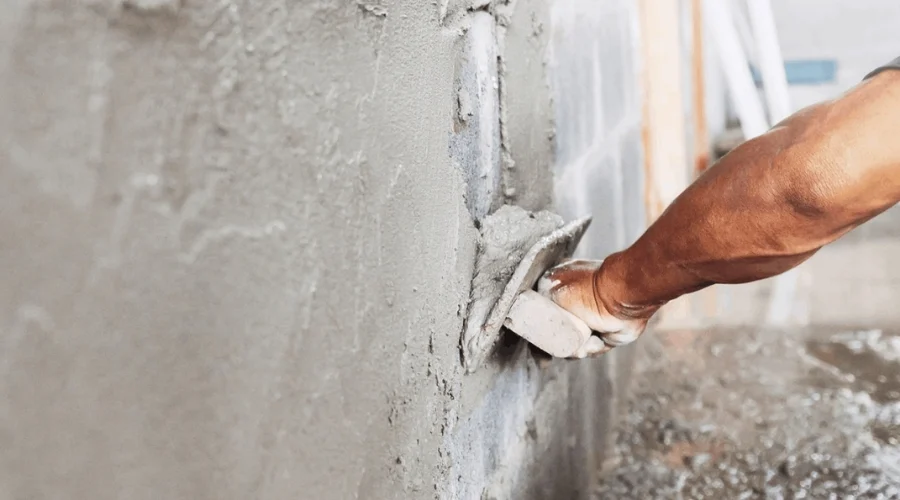
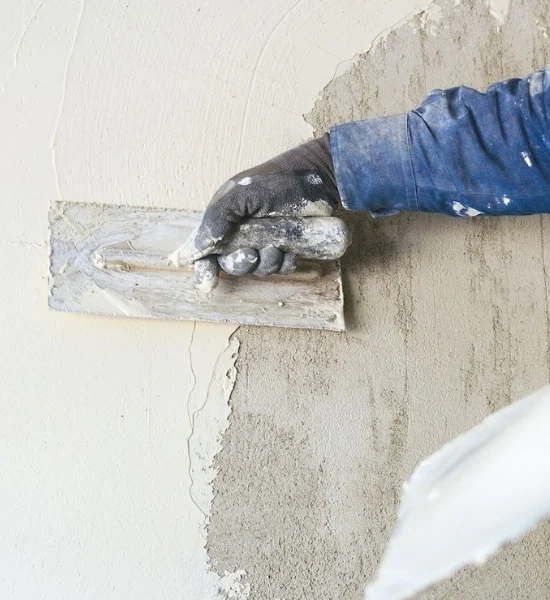
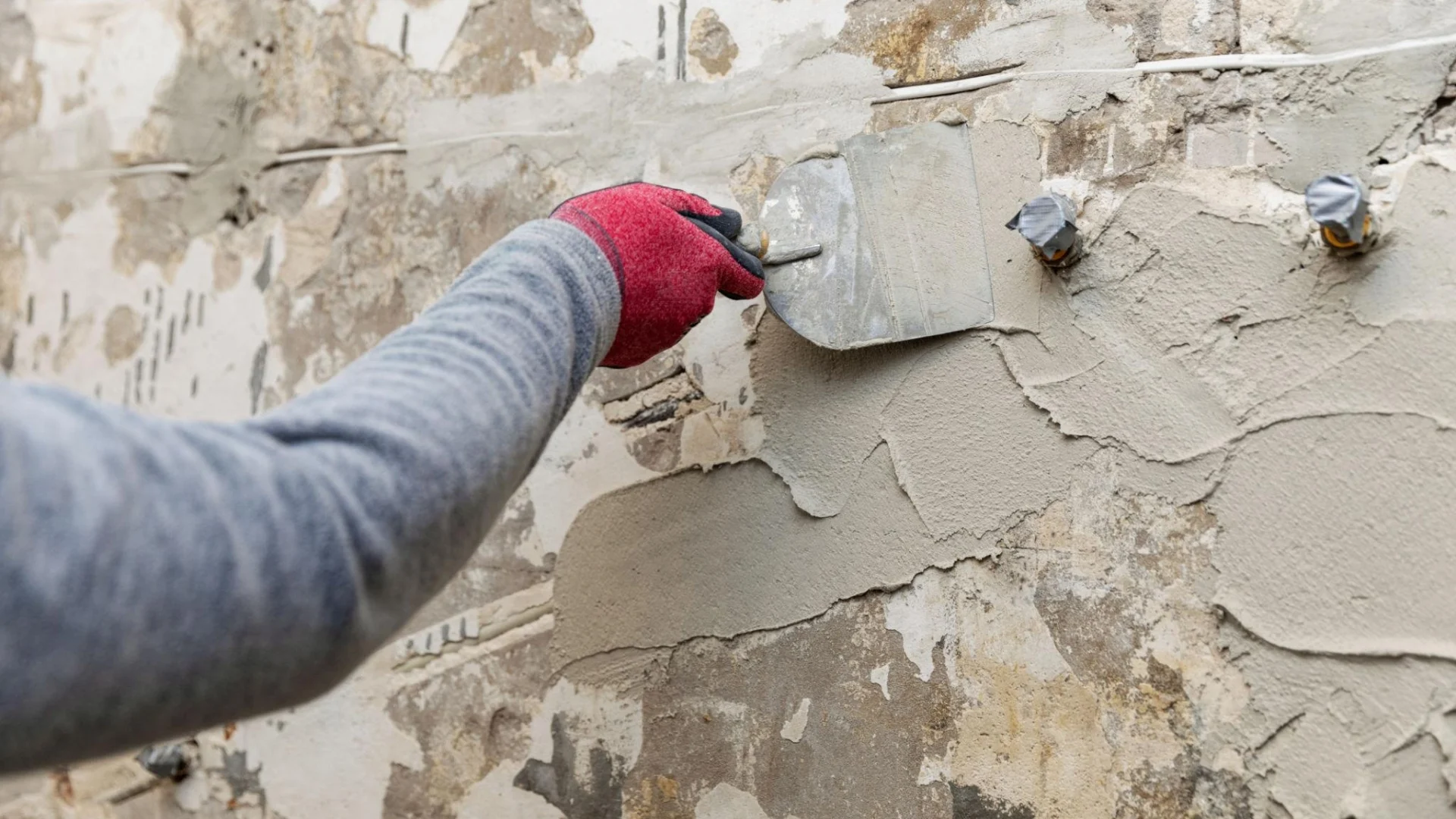
Plaster can crack, chip, loosen, blister, or break away for different reasons. Moisture, movement, age, or impact may affect the surface and require attention. J.T. Painting and Drywall Solutions Ltd examines the damaged area before choosing a method. We remove weak material where needed, prepare the base, fill the affected section, and shape new plaster to suit the surrounding surface. Older homes need extra care because some plaster may contain asbestos. If asbestos is found, a qualified asbestos removal specialist should handle the material before repair begins.
Services Include
- Plaster crack repair
- Plaster chip repair
- Loose plaster repair
- Plaster hole repair
- Ceiling plaster repair
- Wall plaster repair
- Damaged area patching
- Corner repair
- Surface preparation
- Texture matching
- Surface sanding
- Finish preparation
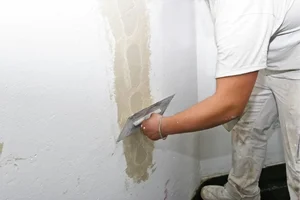
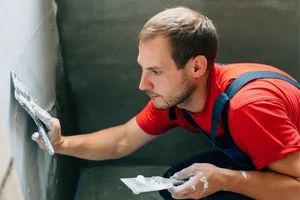
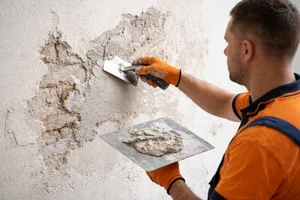
Our Plaster Repair service covers cracks, chips, loose areas, holes, damaged corners, surface patches, texture matching, sanding, and finish preparation. We assess each problem first, then carefully select suitable repair work based on the plaster condition and the planned result.
Repairing Plaster Cracks
Cracks can vary in size and cause. We inspect the affected area, clear loose material where suitable, and fill the opening with a repair material that suits the existing surface and planned finish. We then smooth the patch before painting.
Restoring Loose Plaster
Loose plaster can pull away from its base and create raised or hollow areas. We assess the section, remove unsafe material where needed, and rebuild the damaged spot with suitable support beneath. This helps restore the area before finish work.
Addressing Moisture Damage
Moisture can weaken plaster and leave stains, soft areas, or peeling surfaces. We fix the source of moisture first. We then assess the plaster and repair the damage once the area is ready for safe indoor repair work.
Matching Older Plaster
Older plaster may have a different texture from modern wall finishes. We compare the damaged area with nearby surfaces and work to match the existing look as closely as the material and condition allow. This keeps repairs less noticeable.
Preparing the Repaired Area
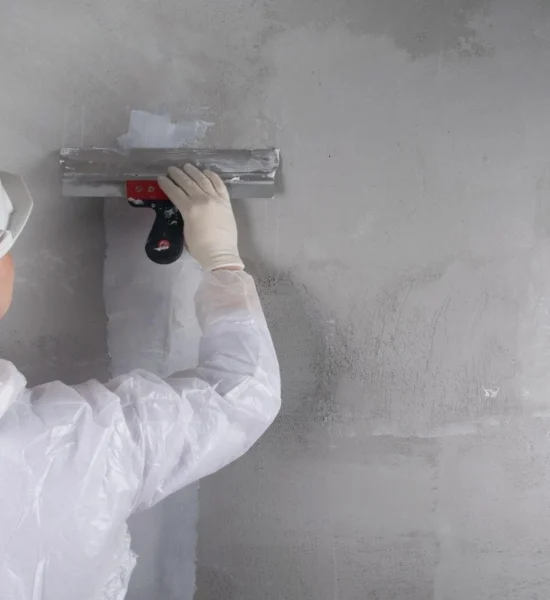
After patching, the repaired section needs time to set before further work. We smooth the area, address visible marks, and prepare the surface for primer or paint when the repair has reached the required condition. Sanding may follow as needed.
Checking the Finished Surface
We review the completed area for cracks, edges, texture, and uneven spots. This check helps identify any remaining work before the wall or ceiling moves to painting or another finish. We also remove loose dust before final painting work begins.
FAQs
It can address suitable cracks, chips, holes, loose areas, damaged sections, and surface problems on plaster walls or ceilings.
Age, building movement, moisture, and other changes can lead to cracks in plaster.
Yes, depending on its condition and the state of the material behind it. Damaged areas may need to be removed and rebuilt.
Yes. We can carry out suitable repairs on damaged plaster ceilings after assessing the area.
Cracks can have different causes, including movement, moisture, age, or changes in the material. Consider the cause before repairing.
Yes, but you should address the moisture source first. The damaged plaster can then be assessed for suitable repair.
Often, sound or repairable plaster can be retained. The right choice depends on its condition and the extent of the damage.
A repair can be worked to match the nearby texture and finish as closely as the existing material and condition allow.
Yes. Older plaster may need a closer check before repair, especially when the surface is loose, damaged, or has an unknown history.
Contact J.T. Painting and Drywall Solutions Ltd to discuss the damaged wall or ceiling and the required repair work.